
When I get excited about something, I tend to go all in. I love to research, so I jump wholeheartedly into gathering information. I’ll obsess over it as I learn and think up more questions. In the past, one thing I would not do was look for the reasons I shouldn’t do the thing, to…
Four Schedules to Bring Variety to Your Homeschool Year

I always love hearing how other people spend their days, and given how many “Day In The Life” blog posts and Youtube videos there are, I know I’m not alone. It can be so helpful to gain perspective and ideas for our own days by observing other people. This post is not a day in…
Accelerating Our Homeschool High School

Come along with me and see how I (imperfectly) accelerate my children’s education Have you heard of the Brainy Bunch? I read the book years ago and was inspired. This family had 10 kids, and six of them at the time had graduated high school by age 11 and began in-class college courses at age…
Systems in Homemaking

This is part 2 in a series on self-discipline and systems in homemaking. In part one, “Systems in Homemaking – What I Learned from a Video Game,” we talked about the differences between self-control and self-discipline, and why that matters in our daily lives. Something hit me as I approached my 40s. I’d been the…
Do Our Kids Really Need a College Degree?

Never confuse education with intelligence. You can have a Master’s degree and still be an idiot. -anonymous One memory of my college graduation stands out: our dean spoke at a pre-graduation luncheon. He described what he’d majored in, then his first job after graduating. He had one career for 5-7 years, then another which…
Resistance – the Sneaky Saboteur Keeping us from Fulfilling our Calling
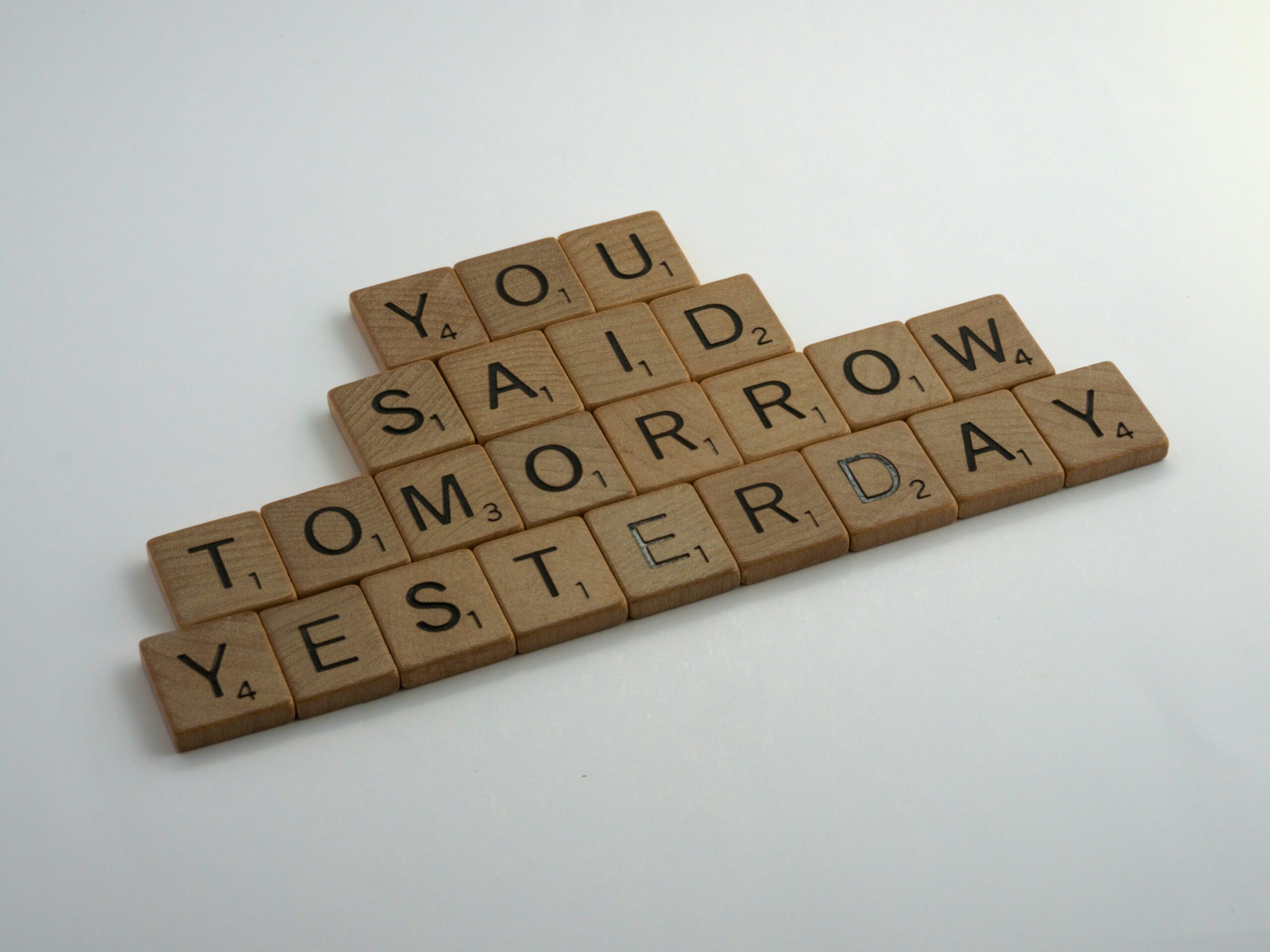
I just thought I was lazy. All my life I’ve been full of ideas, goals, dreams of great accomplishments in life. I would think about these dreams when I was going about my day. I’d daydream about them and enjoy the warm fuzzies they brought. But when I had 30 minutes or more to devote…
Systems in Homemaking – What I learned from a Video Game
My husband used to have a Sega game system and wanted to get me involved, so he got me Sim City. In this game, you essentially create people and then live their lives. From above and diagonal as if I were a giant looking down into a roofless house, I could see each of her…
Elements of a Successful Homeschool Day
Over the years, I’ve found that homeschool success is a relative term, a pot of gold at the end of the rainbow. My success won’t look like yours. Heck, mine won’t look like mine in 6 months or a year. As soon as you decide you’ve achieved it, it can shift and change. It shifts…
More Than Happy: The Wisdom of Amish Parenting – A Book Review
Author Serena Miller was already immersed in Amish culture. She’d written novels based on it, and during her research she noticed the difference in their children compared to the wider American culture. They seemed content, calm. She’d never seen one throw a fit, never seen an Amish mother hurrying to give her child what he…
The Lost Skill of Boredom – and How to Develop it

A boy walked through the hills and woods, spending hours and hours over the years listening to nothing but the birds chirping, the wind blowing through the leaves, and the thoughts in his head. His mind wandered as much as his feet. This lifestyle was part of the fertile soil that produced the Theory of…